Archives
- 2026-06
- 2026-05
- 2026-04
- 2026-03
- 2026-02
- 2026-01
- 2025-12
- 2025-11
- 2025-10
- 2025-09
- 2025-04
- 2025-03
- 2025-02
- 2025-01
- 2024-12
- 2024-11
- 2024-10
- 2024-09
- 2024-08
- 2024-07
- 2024-06
- 2024-05
- 2024-04
- 2024-03
- 2024-02
- 2024-01
- 2023-12
- 2023-11
- 2023-10
- 2023-09
- 2023-08
- 2023-07
- 2023-06
- 2023-05
- 2023-04
- 2023-03
- 2023-02
- 2023-01
- 2022-12
- 2022-11
- 2022-10
- 2022-09
- 2022-08
- 2022-07
- 2022-06
- 2022-05
- 2022-04
- 2022-03
- 2022-02
- 2022-01
- 2021-12
- 2021-11
- 2021-10
- 2021-09
- 2021-08
- 2021-07
- 2021-06
- 2021-05
- 2021-04
- 2021-03
- 2021-02
- 2021-01
- 2020-12
- 2020-11
- 2020-10
- 2020-09
- 2020-08
- 2020-07
- 2020-06
- 2020-05
- 2020-04
- 2020-03
- 2020-02
- 2020-01
- 2019-12
- 2019-11
- 2019-10
- 2019-09
- 2019-08
- 2019-07
- 2019-06
- 2019-05
- 2019-04
- 2018-07
-
br Experimental Procedures br Author Contributions br Acknow
2020-01-29
Experimental Procedures Author Contributions Acknowledgments Introduction In addition to the HLA region numerous other loci have shown association with type 1 diabetes risk [1], and susceptibility Ipratropium Bromide have been identified in many of these regions [2]. How these genes exer
-
br Materials and Methods br Acknowledgements Authors
2020-01-29
Materials and Methods Acknowledgements Authors would like to thank Mr. Pritam Naskar and Mr. Dibya Mukherjee for their help. Authors also acknowledge the help of Mr. Barun Mahata and Dr. Kaushik Biswas, Division of Molecular Medicine, Bose Institute, for human cDNA samples. P.A.B. and A.B.D. w
-
Because macrophages clear the injured tissue of
2020-01-29
Because macrophages clear the injured tissue of dead VX-702 mg and matrix debris, macrophage infiltration is essential for normal tissue repair. In cardiac remodeling by MI, however, macrophages infiltrate excessively into not only the infarct area and marginal area of MI. Infiltrated macrophages,
-
Our ex vivo analysis demonstrates
2020-01-29

Our ex vivo analysis demonstrates that IL-15 promotes CD122 expression in DGKζ-deficient CD8+ T cells. CD122, which forms a dimer with CD132 in response to IL-2 or IL-15, activates the JAK/STAT and PI3K/mTOR pathways. Whereas antigen-stimulated Bisindolylmaleimide VIII acetate promote IL-2 sensitiv
-
br Conclusions The present study demonstrated that CuE posse
2020-01-29
Conclusions The present study demonstrated that CuE possesses strong hepatotoxicity. CuE is not only a mechanism-based inhibitor of human CYP3A4, but also inhibits P-gp activity in vitro. In whole animal studies, CuE induces CYP3A and P-gp after a long-term treatment but inhibits the activities o
-
Selective inhibitor of phosphodiesterase type PDE I is
2020-01-29
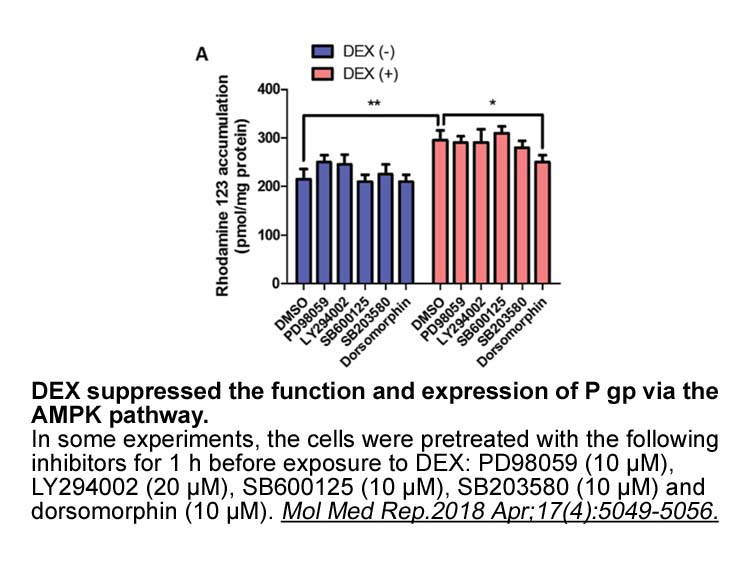
Selective inhibitor of phosphodiesterase type 5 (PDE5I) is commonly used for ED treatment. PDE5I exhibits its vasodilatory effect by inhibiting the degradation of cyclic guanosine monophosphate (cGMP), which relaxes the smooth muscle and allows increased blood flow for penile tumescence. Udenafil (D
-
The use of recombinant ER and ER
2020-01-29
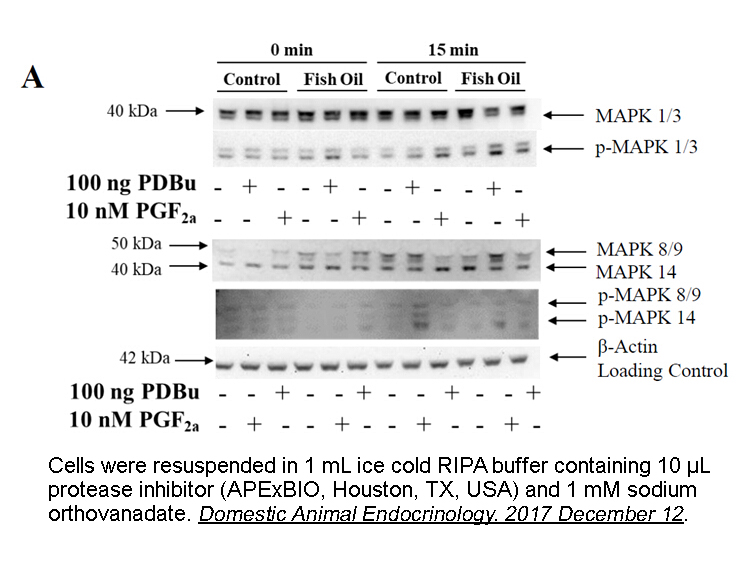
The use of recombinant ERα and ERβ binding assays offers a relatively inexpensive, rapid technique for screening compounds for potential direct Vanoxerine dihydrochloride receptor modulatory activity and understanding the mechanisms of existing herbal medicines. For background on the protein produc
-
Building s constructional elements should
2020-01-29
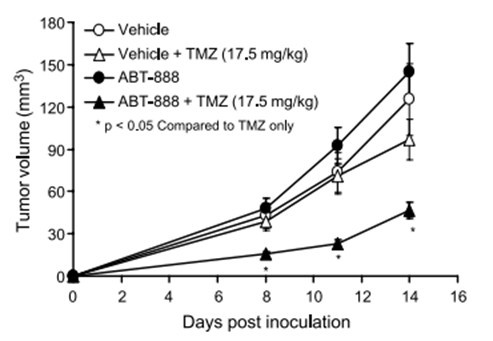
Building\'s constructional elements should be able to protect residents from the negative effect of noise caused by surroundings [19]. The World Health Organization estimates that each year more than one million Healthy Life Years are lost in the European Union member states and other Western Europ
-
br Methods and materials br Results br Discussion Many small
2020-01-29

Methods and materials Results Discussion Many small molecules have been individually explored to enhance endothelial barrier both in vitro and in vivo, including S1P, forskolin, cAMP analogs, ROCK inhibitors, statins, and imatinib [[10], [11], [12],25,26]. In the current study, we applied t
-
CPI-169 More than thirty enzymes with PLA activity have been
2020-01-29
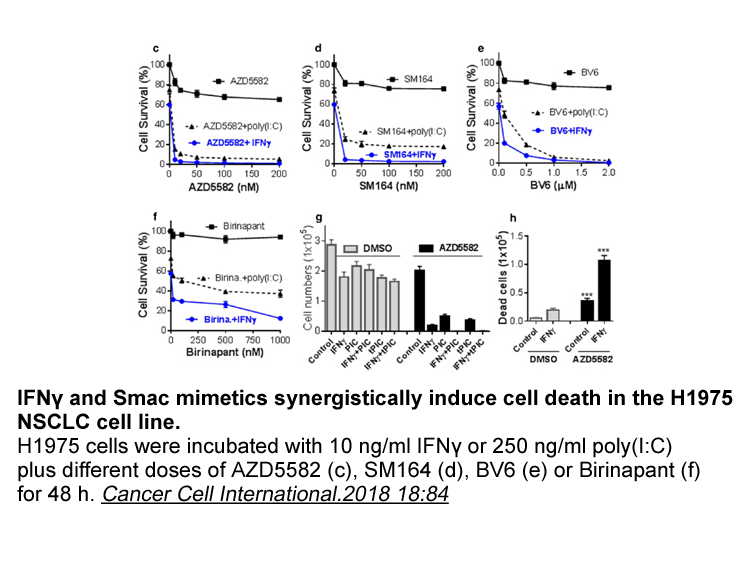
More than thirty enzymes with PLA2 activity have been described and, based on sequence similarities, they are currently classified in 16 groups, each containing several sub-groups [16]. However, based on biochemical features these enzymes are frequently grouped into six major families: secreted phos
-
We found that the postnatal absence of norepinephrine yields
2020-01-29
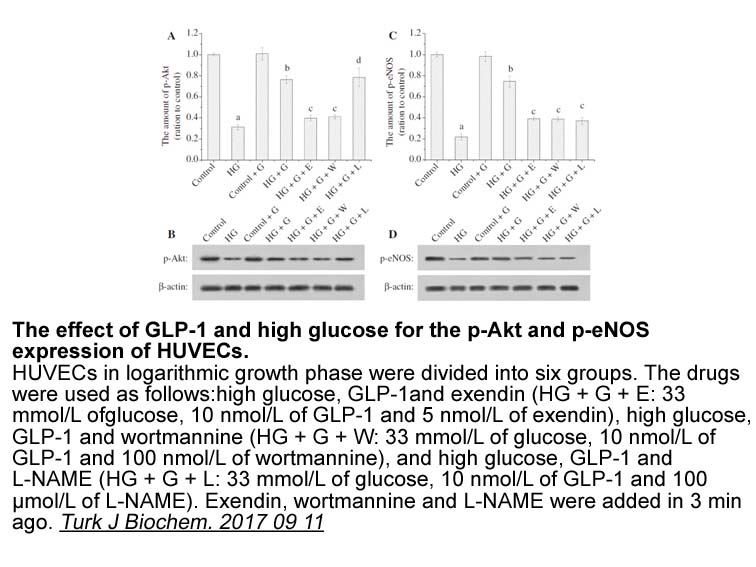
We found that the postnatal absence of norepinephrine yields differing effects depending on noradrenergic receptor type and AM966 australia region. The density of α1-AR, indicated by [3H]prazosin binding was similar between Dbh+/− and Dbh−/− mice except for a significant increase in hippocampus in
-
br Acknowledgements We thank Dr Tai Yuan
2020-01-29
Acknowledgements We thank Dr. Tai-Yuan Yu and Miss Chun-Ping Chang for helping with the drug/DNA sequence specificity study. We also thank the Chemical Synthesis Core and the Pathology Core Laboratory of IBMS for synthesizing SL-1 and for performing the pathology analysis, respectively, and the T
-
br NADH and NADPH Turnover and the Putative Role
2020-01-29

NADH and NADPH Turnover and the Putative Role of Alternative NAD(P)H Dehydrogenases Still very little is known about the metabolic function of external and internal alternative NADH:UQ oxidoreductases, and almost nothing is known about the mechanisms underlying their metabolic regulation, especia
-
Stress is usually comprehended as an event affecting mainly
2020-01-25
Stress is usually comprehended as an event affecting mainly the HPA axis and initiating the alarm reaction represented by activation of the adrenal medulla. This means that the levels of related hormones and neurotransmitters are significantly elevated during and after the stress. CRF, following its
-
Exposure to UV instead of DMBA also produced
2020-01-25
Exposure to UV instead of DMBA also produced a sloughing and angiogenic response in transgenic, but not WT, mice, indicating that the epidermis of the BK5.EP4 mice has a much lower apoptosis threshold than WT mice, as suggested by others (Chun and Langenbach, 2007). Overall, these studies suggest th
16598 records 949/1107 page Previous Next First page 上5页 946947948949950 下5页 Last page