Archives
- 2026-06
- 2026-05
- 2026-04
- 2026-03
- 2026-02
- 2026-01
- 2025-12
- 2025-11
- 2025-10
- 2025-09
- 2025-04
- 2025-03
- 2025-02
- 2025-01
- 2024-12
- 2024-11
- 2024-10
- 2024-09
- 2024-08
- 2024-07
- 2024-06
- 2024-05
- 2024-04
- 2024-03
- 2024-02
- 2024-01
- 2023-12
- 2023-11
- 2023-10
- 2023-09
- 2023-08
- 2023-07
- 2023-06
- 2023-05
- 2023-04
- 2023-03
- 2023-02
- 2023-01
- 2022-12
- 2022-11
- 2022-10
- 2022-09
- 2022-08
- 2022-07
- 2022-06
- 2022-05
- 2022-04
- 2022-03
- 2022-02
- 2022-01
- 2021-12
- 2021-11
- 2021-10
- 2021-09
- 2021-08
- 2021-07
- 2021-06
- 2021-05
- 2021-04
- 2021-03
- 2021-02
- 2021-01
- 2020-12
- 2020-11
- 2020-10
- 2020-09
- 2020-08
- 2020-07
- 2020-06
- 2020-05
- 2020-04
- 2020-03
- 2020-02
- 2020-01
- 2019-12
- 2019-11
- 2019-10
- 2019-09
- 2019-08
- 2019-07
- 2019-06
- 2019-05
- 2019-04
- 2018-07
-
SAR405 br Endoplasmic reticulum protein ERp binds to AdipoR
2022-12-14
Endoplasmic reticulum protein 46 (ERp46) binds to AdipoR1 in HeLa cells ERp46 is localized in the ER and is suggested to act as a chaperone. About 20% of endogenous ERp46 are found at the plasma membrane suggesting that this protein may have additional functions. ERp46 interacts with SAR405 1–70
-
PAN induced nephrosis was accompanied by loss of body
2022-12-14
PAN-induced nephrosis was accompanied by loss of body weight, decrease of food intake, increase in urine volume and increases in triglycerides and cholesterol levels, which have been reported previously (Natori et al., 1996). Except for urine volume, each one of these measures was improved by A-3069
-
In summary this study reveals that
2022-12-13
In summary, this study reveals that the stability of rapsyn is critically dependent on HSP90β, highlighting a novel function of HSP90β in NMJ formation and maintenance. It also identifies a mechanism in agrin signaling for AChR clustering, i.e., by upregulating the interaction between HSP90β and rap
-
br Conclusions and future direction ER PgR breast cancers ha
2022-12-13
Conclusions and future direction ER(−)/PgR(+) breast cancers have a distinct clinical course, response to treatment, and molecular features when compared to other breast cancer types, however some of them are actually technical artifacts or consequences of too high definitions of positivity. Acco
-
MiR has already been implicated in the
2022-12-13
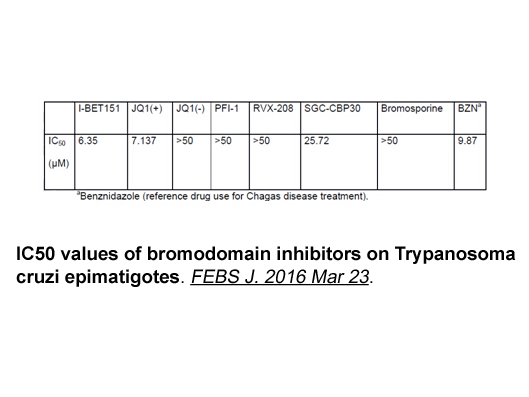
MiR-21 has already been implicated in the protective effects of Res on lung fibrosis, but the molecular mechanisms are underexplored. Our results showed a clear increase of activation protein 1 (AP-1) activity after TGF-β treatment, which was suppressed by Res in a dose-dependent manner, suggesting
-
Despite the absence of disulfide bonds in its linear
2022-12-13
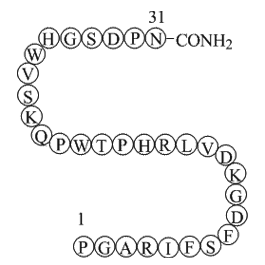
Despite the absence of disulfide bonds in its linear structure, KT43C displays antifungal and antibacterial activity. Disulfide bonds are determinants of defensins' integrity and have been reported to increase the antimicrobial activity (Jenssen et al., 2006). However, some linear derivatives of AMP
-
br Results and discussion This paper reports the synthesis
2022-12-13
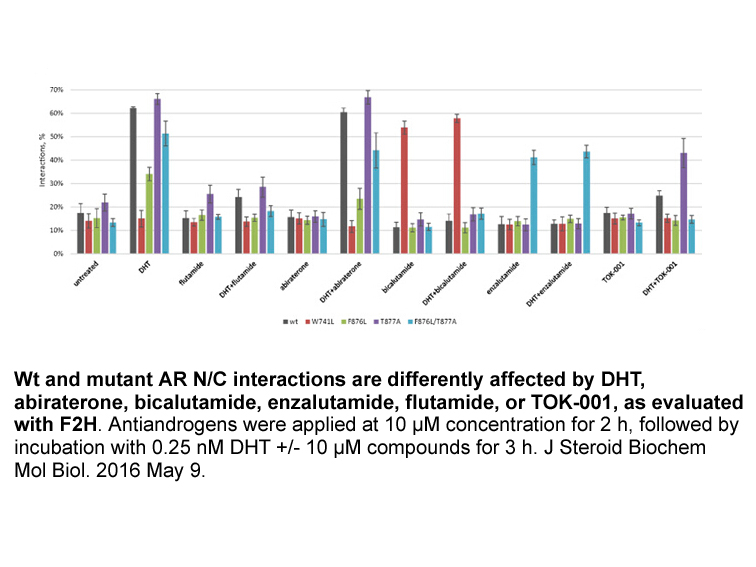
Results and discussion This paper reports the synthesis of methoxy and 4-thio derivatives of quercetin and luteolin, which includes two new derivatives (4 and 12) and explores how subtle variations in the chemical structure of flavonoids affect their biological activity, particularly in relation
-
Interestingly metabolic dysfunction is also observed in amyo
2022-12-13
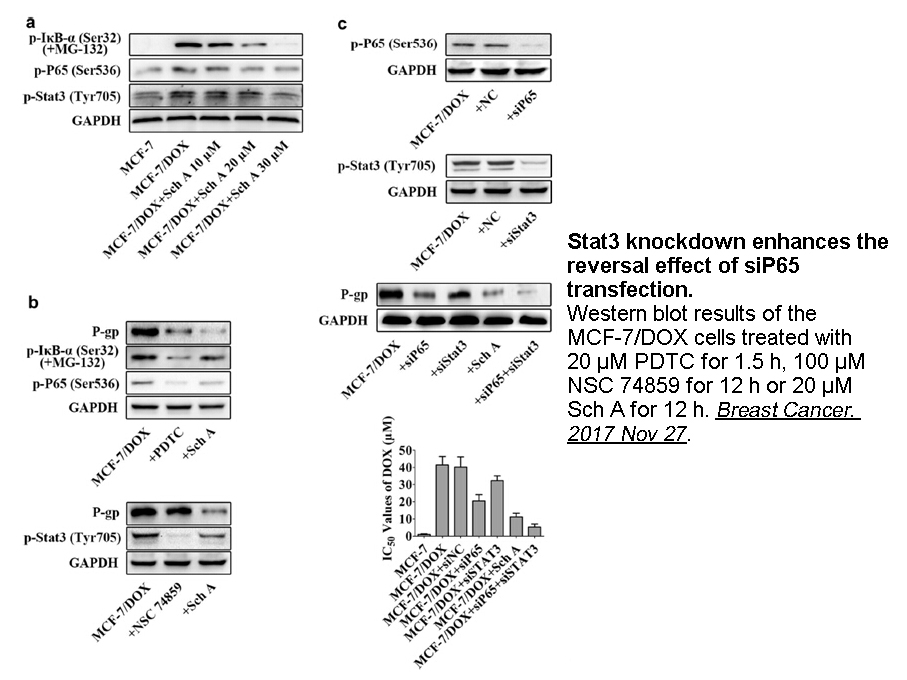
Interestingly, metabolic dysfunction is also observed in amyotrophic lateral sclerosis (ALS). Patients and mouse models of familial ALS exhibit higher levels of resting Atropine expenditure and lower fat-free mass, indicating a hypermetabolic phenotype. Lim et al. (2012) found that reducing AMPK ac
-
Recent results suggest that TARPs are not
2022-12-13
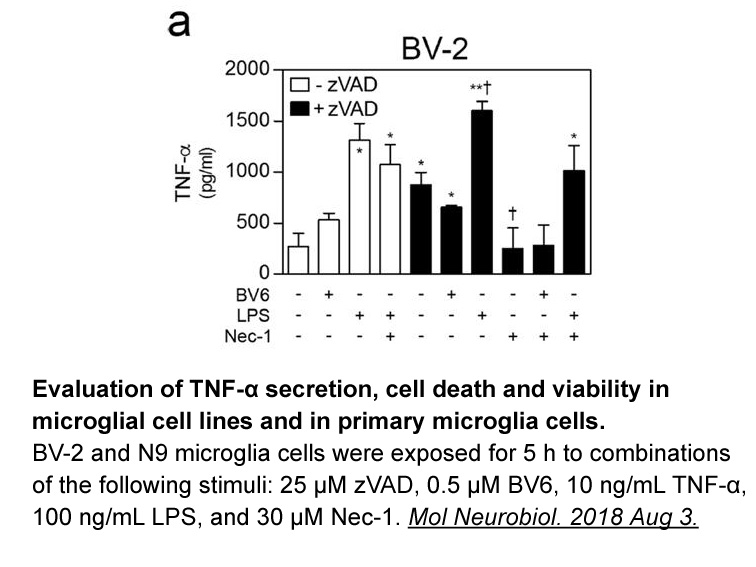
Recent results suggest that TARPs are not the only auxiliary AMPAR subunits. Using a proteomic strategy (affinity purification of native AMPAR complexes followed by mass-spectrometric analysis), cornichon-related proteins (CNIHs) have been recently identified as components of the AMPAR protein micro
-
Both AD and dyslipidemias are
2022-12-13
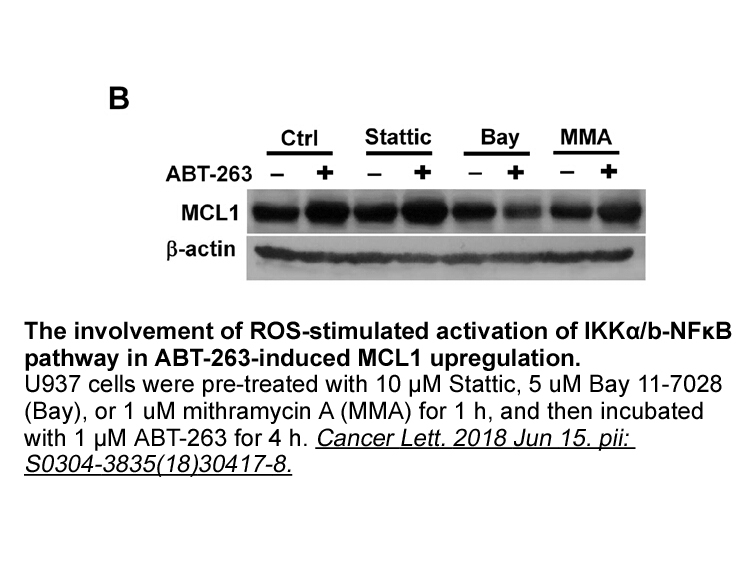
Both AD and dyslipidemias are global public health problems, and an increase in their incidence over the next decades is expected. Among many triggering elements, the increase in life expectancy is one of the main risk factors associated with the increase in the incidence of AD. Meanwhile, dyslipide
-
All desired compounds with a carboxylic acid substituent at
2022-12-13
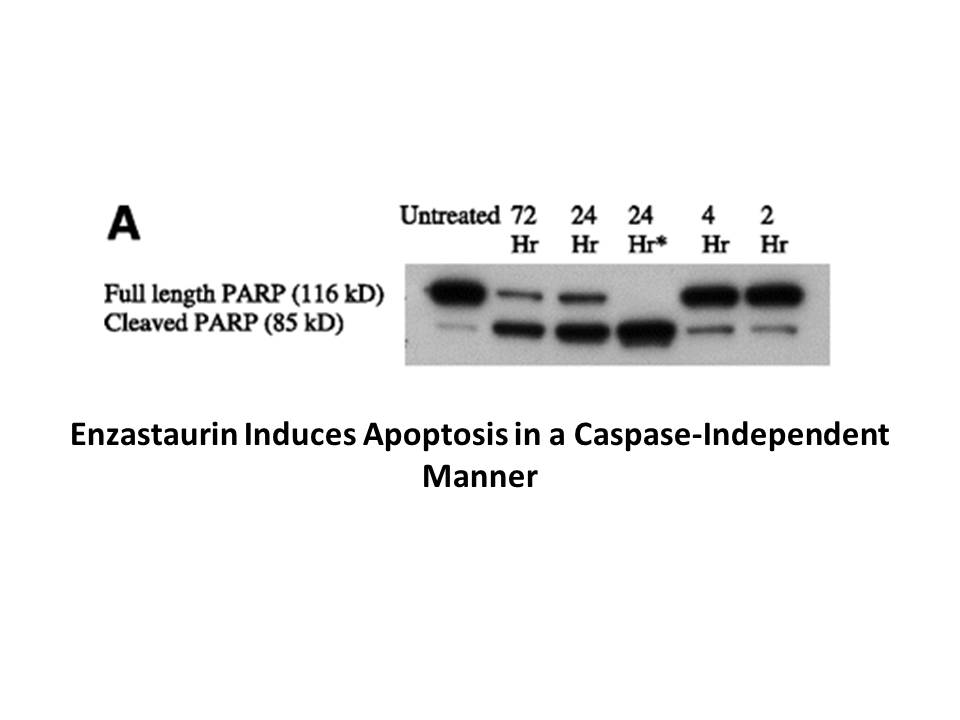
All desired compounds with a carboxylic Cy5 NHS ester substituent at N1 position of the quinoxalinone scaffold and a variety of aromatic substituents at C3 position were obtained by the syntheses starting from methoxy-substituted 3-chloro-quinoxalin-2(1)-ones () prepared as previously. As shown in ,
-
br Current therapies for metabolic diseases Inborn errors of
2022-12-13
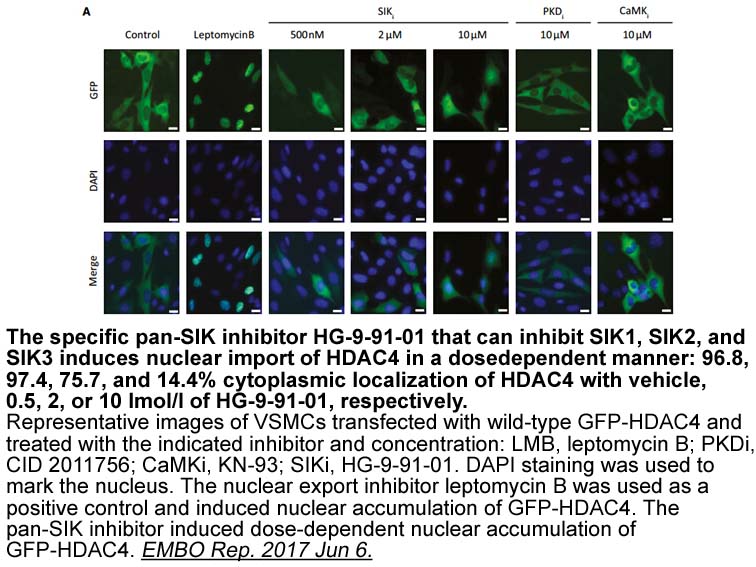
Current therapies for metabolic diseases Inborn errors of metabolism caused by deficiency of particular enzymes due to loss of function mutations or deletions have been treated by decreasing the intake of the enzymatic substrate, supplementation with an essential cofactor or vitamin, increasing m
-
COPD is almost unheard of
2022-12-13
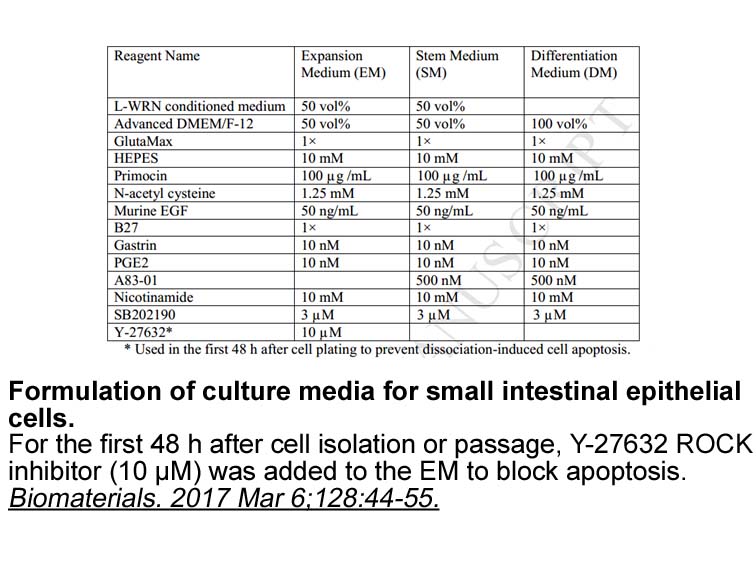
COPD is almost unheard of in individuals less than 40 years of age (even among heavy smokers), 1 in 10 lifetime never-smokers and 1 in 3 develop COPD by age 75 [26], unquestionably, COPD is an age-related disorder. This notion of accelerated ageing of COPD is supported by animal models, which demons
-
br Concluding remarks Following the disappointing outcomes o
2022-12-13
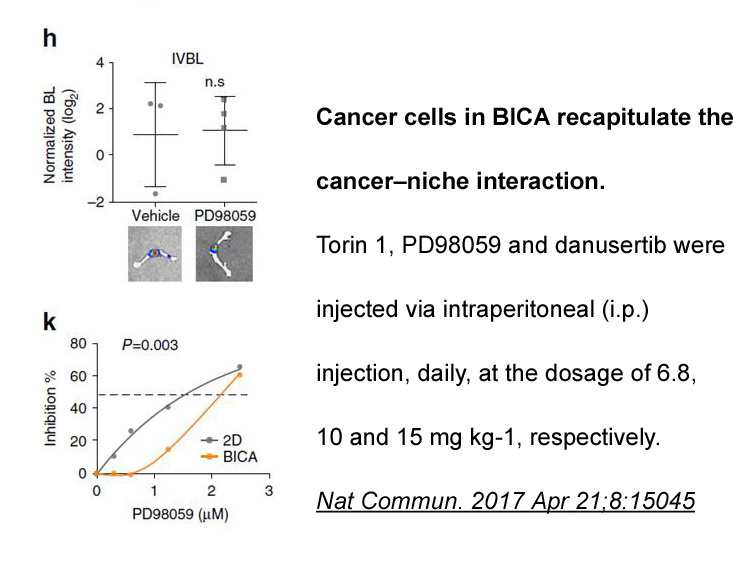
Concluding remarks Following the disappointing outcomes of Aβ immunotherapy trials for AD [62], the current prevailing concept is that disease-modifying therapy must be initiated from the presymptomatic stage of the disease because of the presumed incurability of chronic diseases once they become
-
Lipotoxicity is the accumulation of excess lipids in non adi
2022-12-13
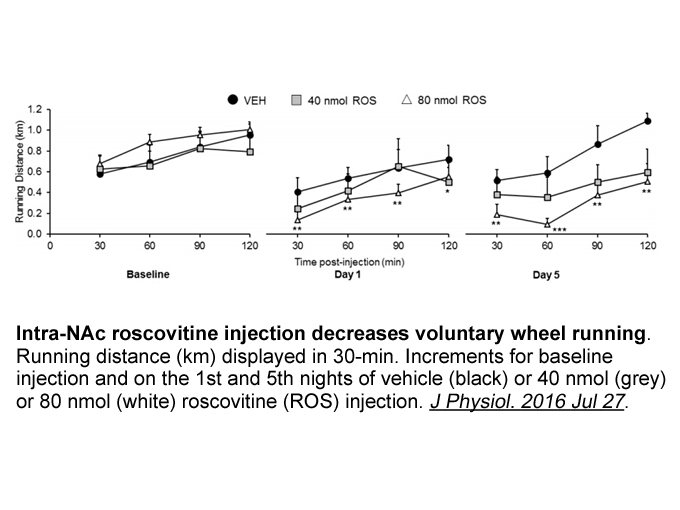
Lipotoxicity is the accumulation of excess lipids in non-adipose tissues that leads to cell dysfunction or cell death. It may play an important role in the pathogenesis of diabetes, and contributes to the rate of progression of CKD [7,8]. Emerging evidence indicates that renal lipid dysregulation is
16592 records 396/1107 page Previous Next First page 上5页 396397398399400 下5页 Last page